Protective Enclosure Structures for Oil & Gas and Energy Facilities
Design and installation in accordance with SP 542.1325800.2024 under a single contract. No welding or open flame.
One Contract Instead of Three Contractors
Bringing a facility into compliance with SP 542.1325800.2024 involves three separate tasks: design, supply of certified materials, and installation. Typically, these stages are assigned to different contractors. The client has to assemble a contractor pool, synchronize schedules, and assume interface risks.
CNGS Engineering covers all three stages under a single contract.One team, one area of responsibility — from the technical survey through facility handover with a complete set of as-built documentation.
Three Types of Protective Structures
The structures can be used independently or in combination. The exact configuration is determined at the design stage based on the results of the facility survey.
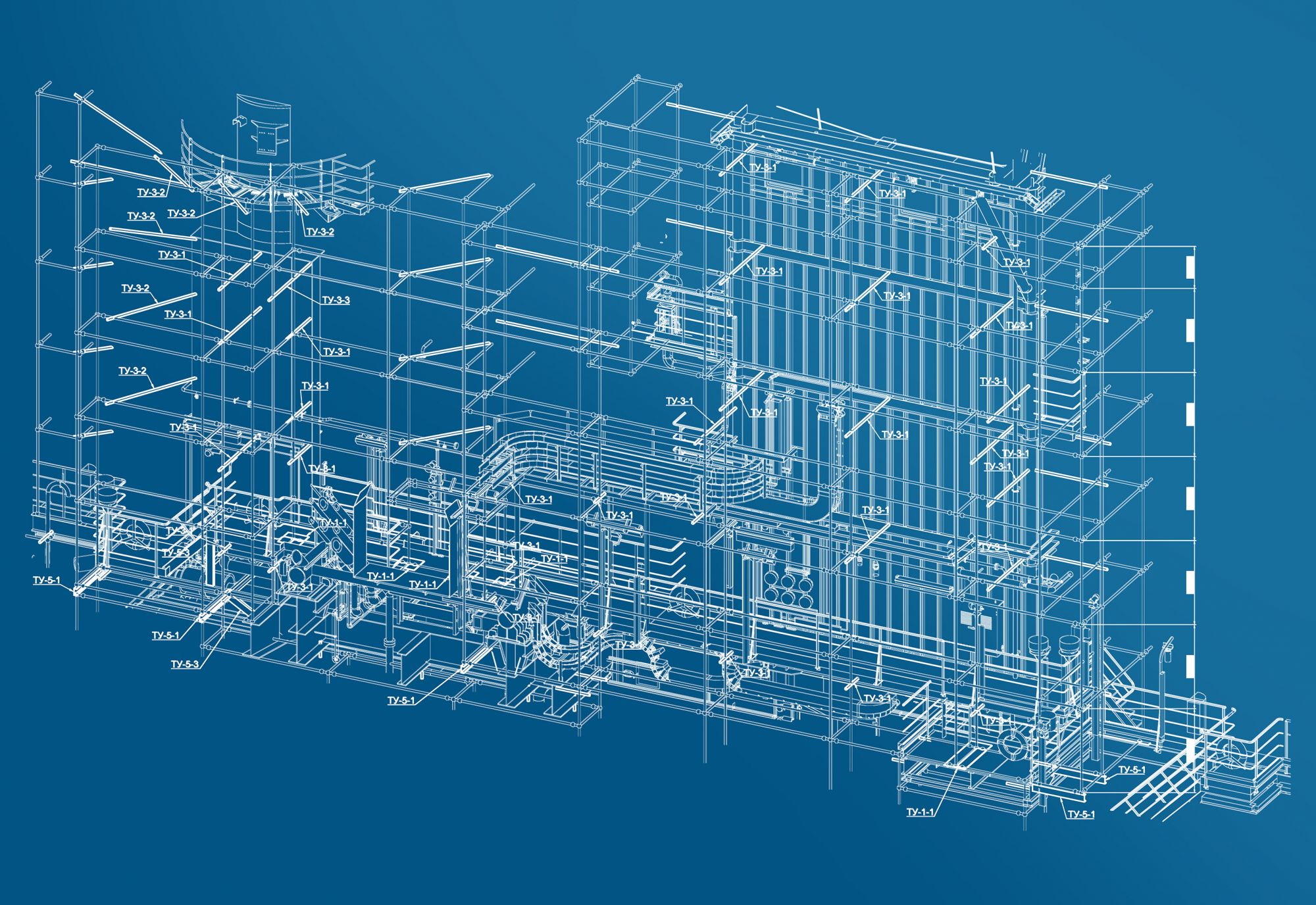
Space-Frame Steel Structures
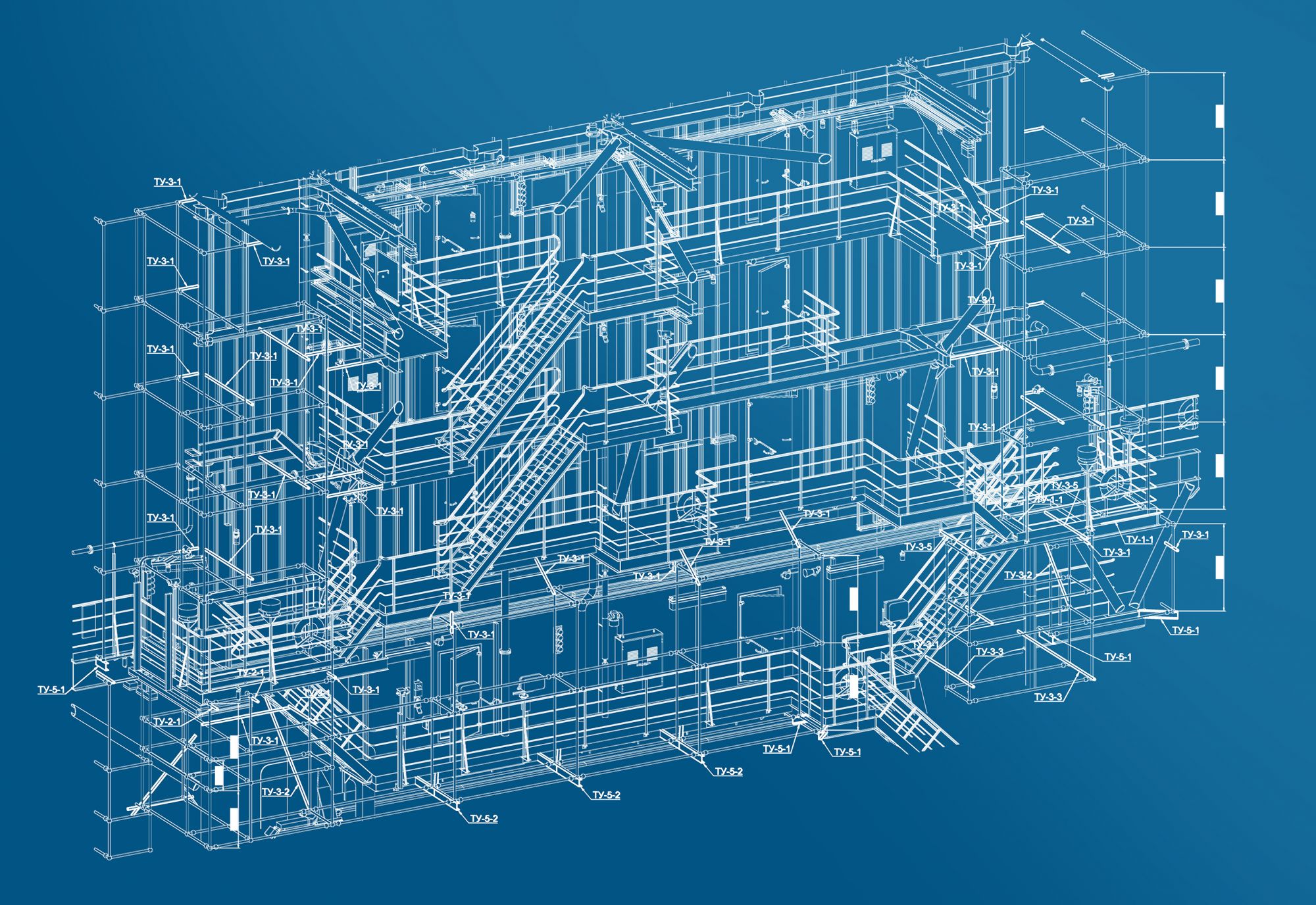
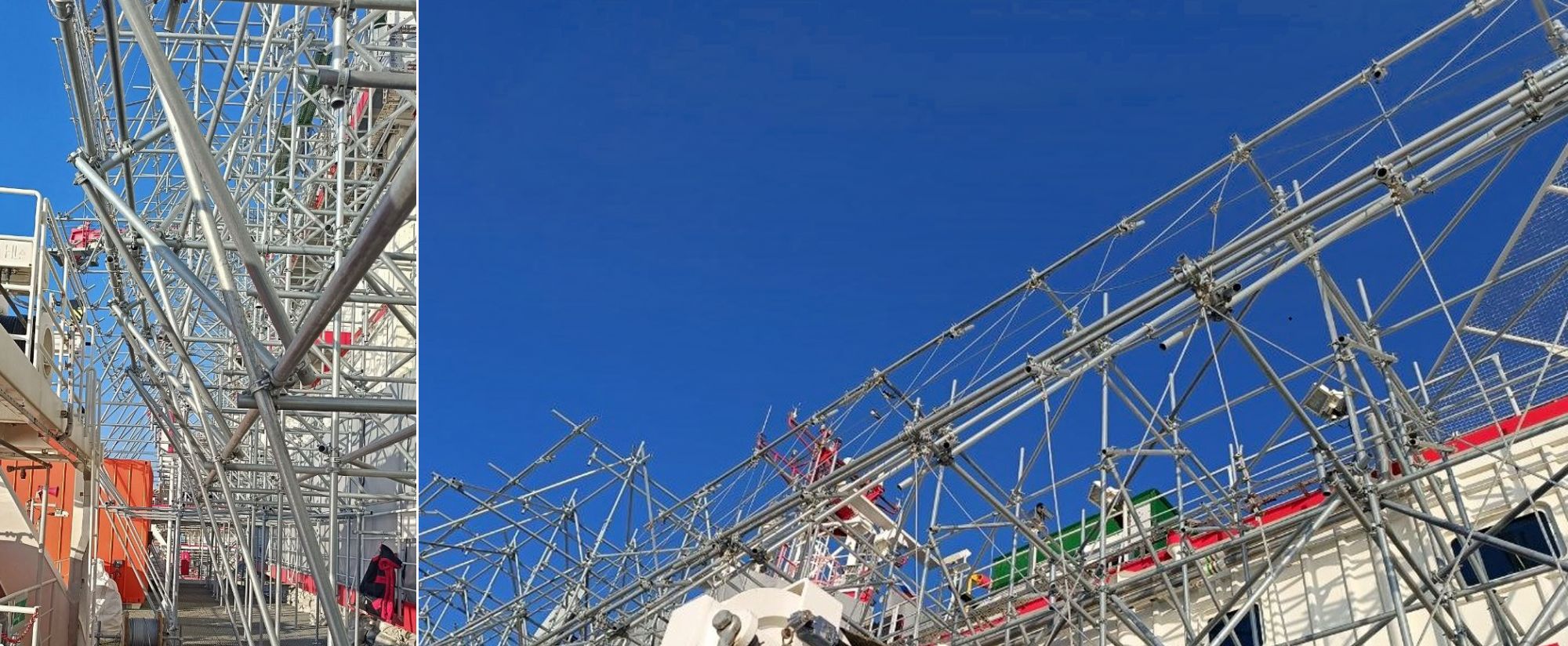
The first line of protection. Modular systems with cable and mesh elements absorb the kinetic energy of flying objects before they come into contact with protected equipment. Hot-work-free installation, galvanized steel, and a design service life of more than 25 years.
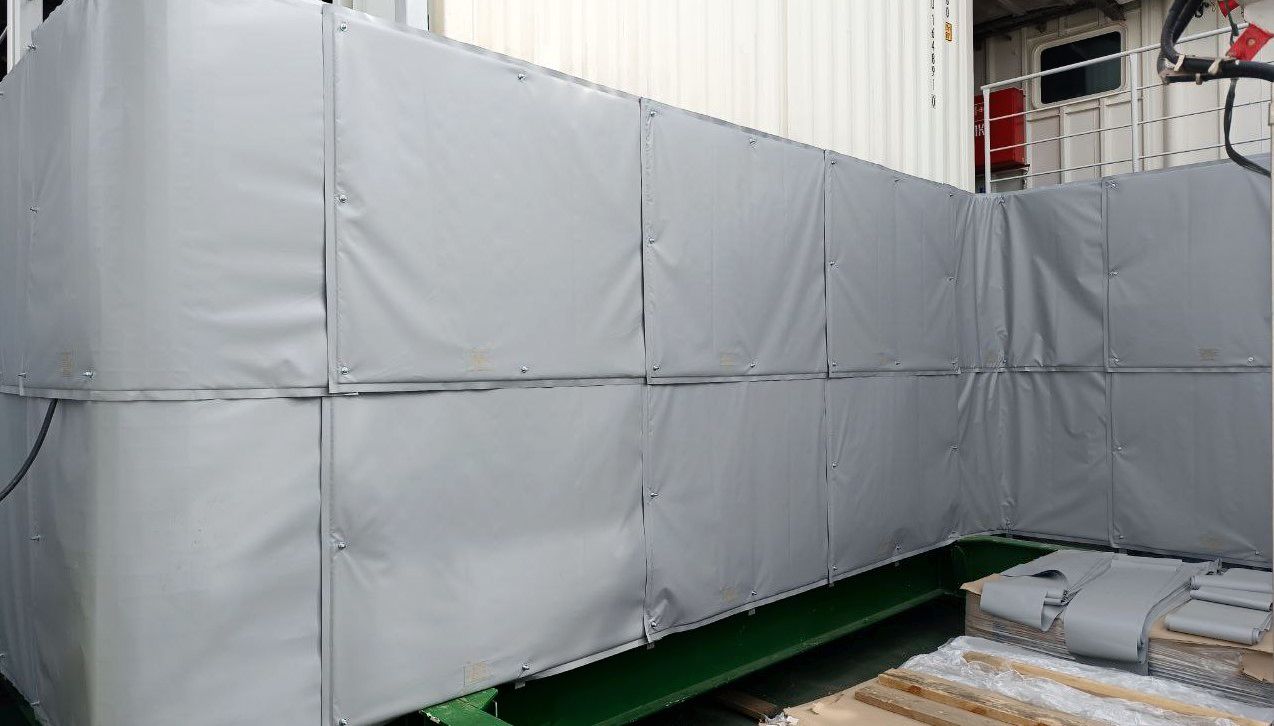
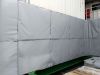
Anti-Fragmentation Mats
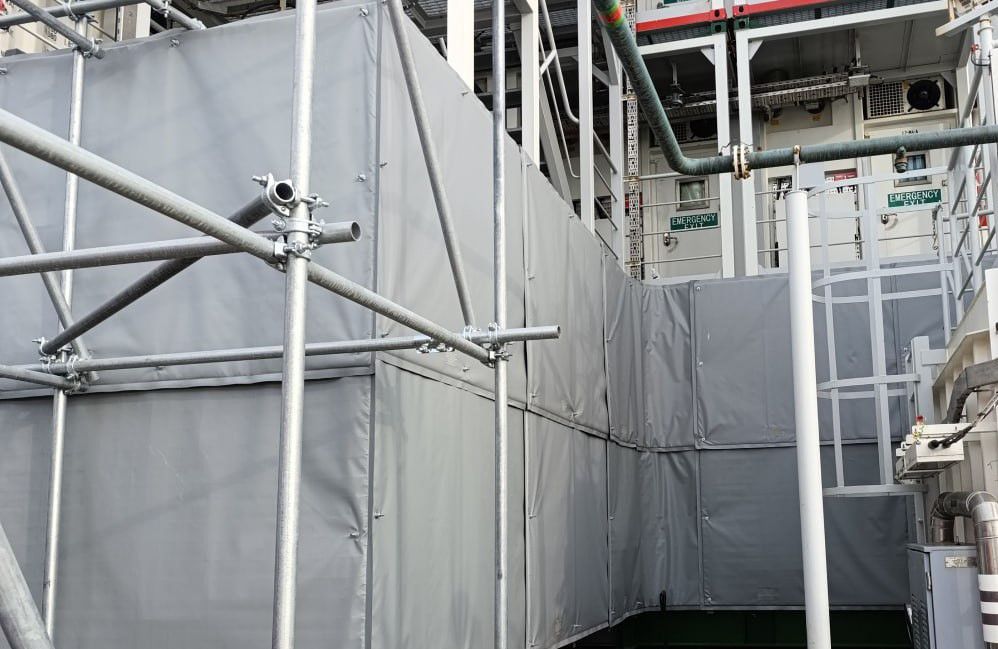
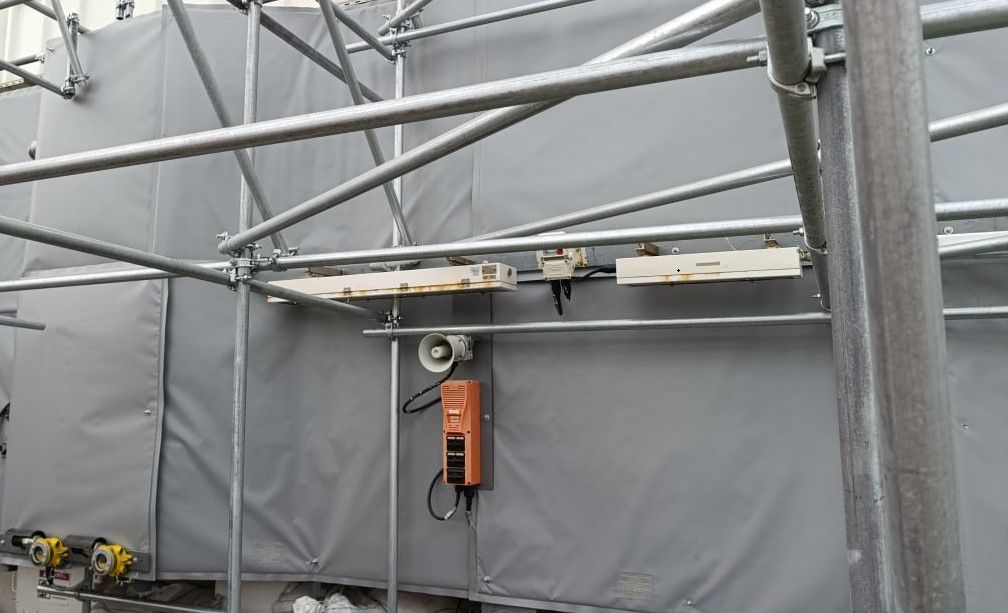
They contain fragments and secondary projectiles. A multilayer textile structure with high energy absorption capacity; operating temperature range from −40 to +40 °C. Mounted on brackets of the load-bearing frame without hot work.
Protective Steel Panels with Armor Plates
Structural strength under direct mechanical impact. Resistance classes according to GOST R 51112-97 range from Br2 to Br4. The class is selected according to the calculated load level for each specific equipment node.
What Makes the Solution Suitable for Operating Facilities
Installation is performed without welding or open flame. This enables work in hazardous areas without hot-work permits and without interrupting core production operations.
The structures are modular and can be scaled from a compact pump station to a tank farm. The installation rate is approximately 1,000 m² in two weeks. After handover, the structures do not interfere with routine equipment maintenance and preserve the repairability of individual sections.
Offshore Experience
Some of CNGS Engineering’s completed projects include protective systems on offshore production platforms. This class of facilities sets a high benchmark across a combination of factors: corrosion loads, wind conditions, limited installation space, strict safety regulations, and the impossibility of shutting down production. Standard solutions for onshore facilities have evolved from this experience.
Applications
• Oil refineries — fractionation columns, feedstock preparation units, process units
• Tank farms
• Pump and compressor stations
• Loading and unloading racks and marine berths
• Offshore production platforms
• Power generation and energy infrastructure facilities
Underground and Buried Storage Tanks
In accordance with Order No. 88 of the Federal Service for Environmental, Technological and Nuclear Supervision dated March 18, 2025, “On Amendments to the Federal Rules and Regulations in the Field of Industrial Safety ‘Industrial Safety Rules for Oil and Petroleum Product Storage Facilities,’” our company is ready to offer design and construction services for underground and buried tanks for the storage of petroleum products.
How to Get Started
1. Technical survey of the facility— engineer’s site visit and assessment of the required level of protection. Up to 10 business days, at CNGS Engineering’s expense.
2. Technical specification and preliminary cost estimate— within 5 business days after the survey.
3. Single contractfor design, supply, and installation — with a fixed price and schedule.
4. Implementation and handover— with a complete set of as-built documentation.
Regulatory Framework
CNGS Engineering’s design solutions are developed in accordance with SP 542.1325800.2024, GOST 34286-2017, and GOST R 51112-97. All materials are accompanied by certificates and test reports from accredited laboratories.